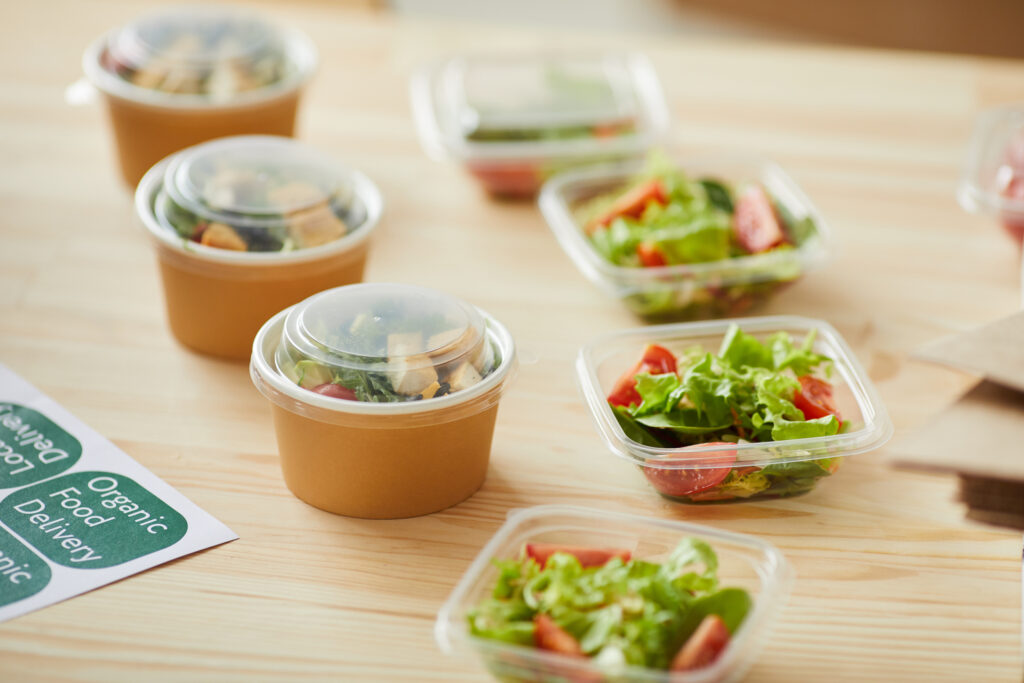


Packaging is an essential part of our daily lives. It protects food, cosmetic products, and other consumer goods from external influences and contributes to a longer shelf life. But what exactly is inside the packaging itself? What ingredients are used, and what impact do they have on the environment and health?
1. Plastics: The Ubiquitous Ones
Plastics are the most commonly used packaging materials. They are made of various polymers produced through chemical processes from petroleum. The most common types of plastics are:
- Polyethylene (PE): Used for plastic bags, films, and containers.
- Polypropylene (PP): A robust plastic for food packaging and bottle caps.
- Polyethylene terephthalate (PET): Frequently used for beverage bottles and plastic films.
- Polystyrene (PS): Known as Styrofoam, it serves as protective and insulating material.
Some plastics contain additives like plasticizers (e.g., phthalates) or stabilizers, which can pose health risks.
2. Paper and Cardboard: More Sustainable Alternatives?
Paper-based packaging is considered more environmentally friendly, especially when made from recycled materials. They usually contain cellulose derived from wood, as well as adhesives, dyes, and sometimes water-resistant coatings. Some of these coatings are made from plastic or fluorinated compounds, which can be problematic for the environment.
3. Metal Packaging: Durable but Energy-Intensive
Metals such as aluminum and tinplate are frequently used for beverage cans, food cans, and lids. They are durable and recyclable, but production, especially of aluminum, is very energy-intensive. Some metals also have lacquer coatings containing Bisphenol A (BPA), which is associated with health risks.
4. Glass: The Classic Packaging
Glass is one of the safest packaging materials as it does not release harmful chemicals into food or drinks. It is primarily made from quartz sand, lime, and soda. However, glass is heavy and energy-intensive to produce, which affects its environmental footprint.
5. Bioplastics: A Sustainable Solution?
Biodegradable plastics made from renewable raw materials like cornstarch or sugarcane are increasingly promoted as environmentally friendly alternatives. However, they are not always fully compostable and require specific conditions for decomposition.
Conclusion: Conscious Handling of Packaging
Choosing the right packaging depends on various factors – sustainability, health considerations, and recyclability. While glass and paper are often considered more environmentally friendly, plastics offer high flexibility and durability. Consumers should look for labels such as Blue Angel or FSC Certification and opt for reusable and recycled products whenever possible to minimize environmental impact.
What packaging materials do you prefer and why? Share your thoughts in the comments!